
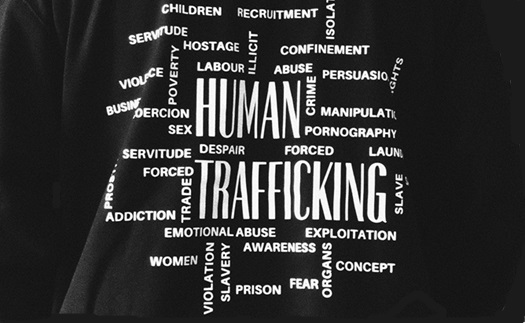
Help Protect YouthBuild Participants from Human Trafficking
About
WHAT IS HUMAN TRAFFICKING?
Human trafficking is an international problem, including in communities across the United States. Every day, traffickers seek profit by exchanging individuals for sex or labor. Since 2007, the Human Trafficking Hotline has identified 82,301 cases of human trafficking, which represent 164,839 victims.
Traffickers can be anyone. They are skilled at identifying at-risk individuals to target and can seemingly be respectable members of the community or even family members (see the image at the end of the blog).
Traffickers employ force, fraud, and coercion to control and manipulate. Some youth may not even realize what's happening, as the trafficker may groom and manipulate them over time to "normalize" the experience.
Pamela Green Nealey, a YouthBuild program director, tells us her story as a mother of a survivor. She also shares important human trafficking information.
Trigger warning: This video contains information about human trafficking, including sensitive language surrounding sexual assault. Please practice self-care as needed.
HOW ARE HUMAN TRAFFICKING AND YOUTHBUILD PARTICIPANTS CONNECTED?
One can be vulnerable to trafficking simply by being a young person and experiencing the growing pains of wanting to fit in, experiencing bullying, or having low self-esteem.
Some youth may fall victim to a trafficker who offers to provide them with material items such as food, a cell phone, nice clothes, shopping trips, etc. In YouthBuild, you should pay attention to a participant's behavior starting to change (for example, if a regularly extroverted participant shuts down for a noticeable period) or if you notice someone suddenly owns or shares about expensive items.
Many traffickers also continue to use popular online platforms to connect with young people who often have their guard down in their online lives.
CyberTipline reports that online enticement has increased by 82% since 2021. These cases often involve a predator who poses online as a teenager and sends a sexual photo of what they say is themselves to the minor. They then ask the minor to send one back in return. Once they receive the image or video, they threaten to release the photo everywhere unless the youth sends more photos or money.
Studies show that 70-90% of sex trafficking victims have a history of childhood sexual abuse. The YouthBuild participants who have a history of abuse may not recognize unhealthy aspects of relationships and could be easily groomed by traffickers.
Each vulnerable situation allows a trafficker to attempt to meet a need and eventually traffic an individual. Learn more about the vulnerability factors that can lead to human trafficking.
ACTIONS YOU CAN TAKE AS YOUTHBUILD STAFF MEMBERS
■ Incorporate education on human trafficking and online safety. If youth learn to recognize grooming tactics employed by traffickers, they can avoid being targets. If young people find themselves in one of these situations, they should have strategies to protect themselves.
■ Help participants navigate their options and connect them to resources. The National Center for Missing and Exploited Children's (NCMEC) Take It Down campaign supports youth by helping them remove sexually explicit videos and images from popular social media platforms for free. In addition, the videos, PowerPoints, and handouts on NCMEC's Netsmartz can be used with youth of all ages to help them learn about being safer online.
■ Have preventative conversations about human trafficking and online safety with young people frequently. Youth-serving staff are in a great position to build rapport and trust with youth and be a strong, stable adult in their life that they can turn to when they are going through difficult circumstances. This support makes all the difference in preventing a child from being trafficked.
■ Report suspected incidences of human trafficking to the National Human Trafficking Hotline at 1-888-272-7888. Be sure to follow your state's mandated reporting requirements for abuse/trafficking or minors.
■ Share these myths and facts about human trafficking with your staff and young people.
Traffickers Can Be Anyone

Source: Department of Human Services
Comments
Content Details
Topics:
Target Populations:
Programs:
Geographic Locations:
Industry Sectors:
- Last Updated:
- Created:
- Posted by: Lisa Reddy
- Posted in: YouthBuild